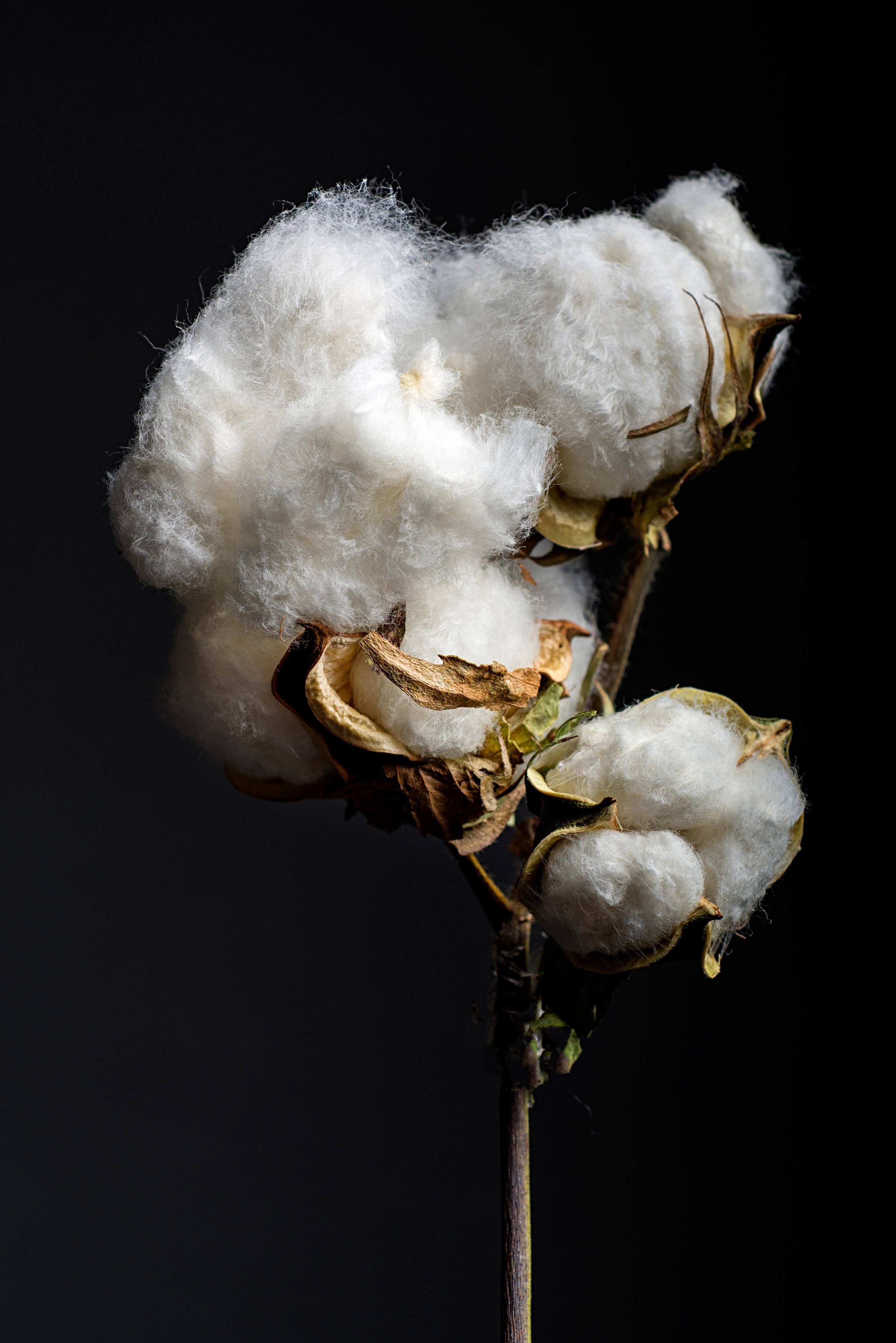
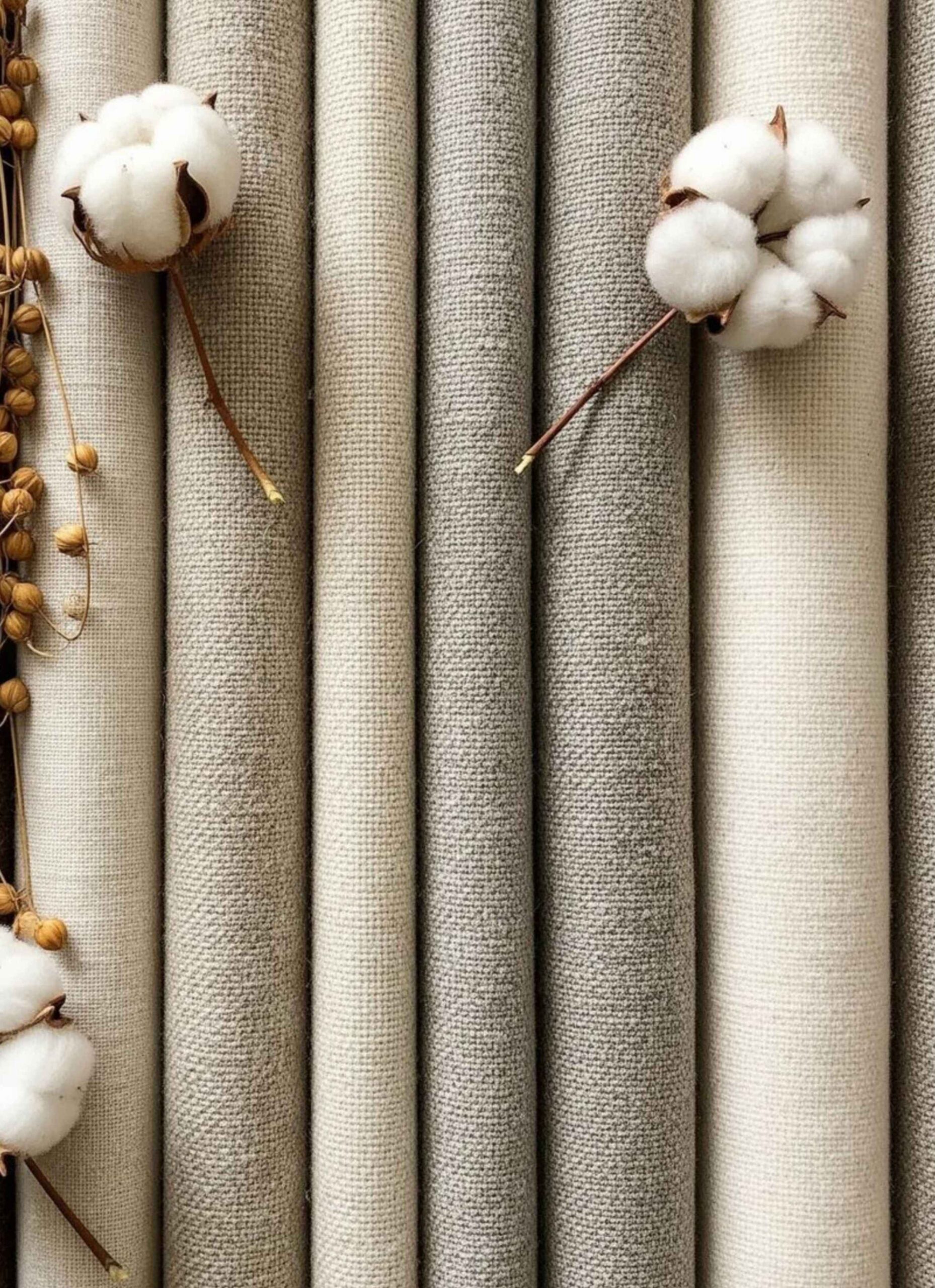
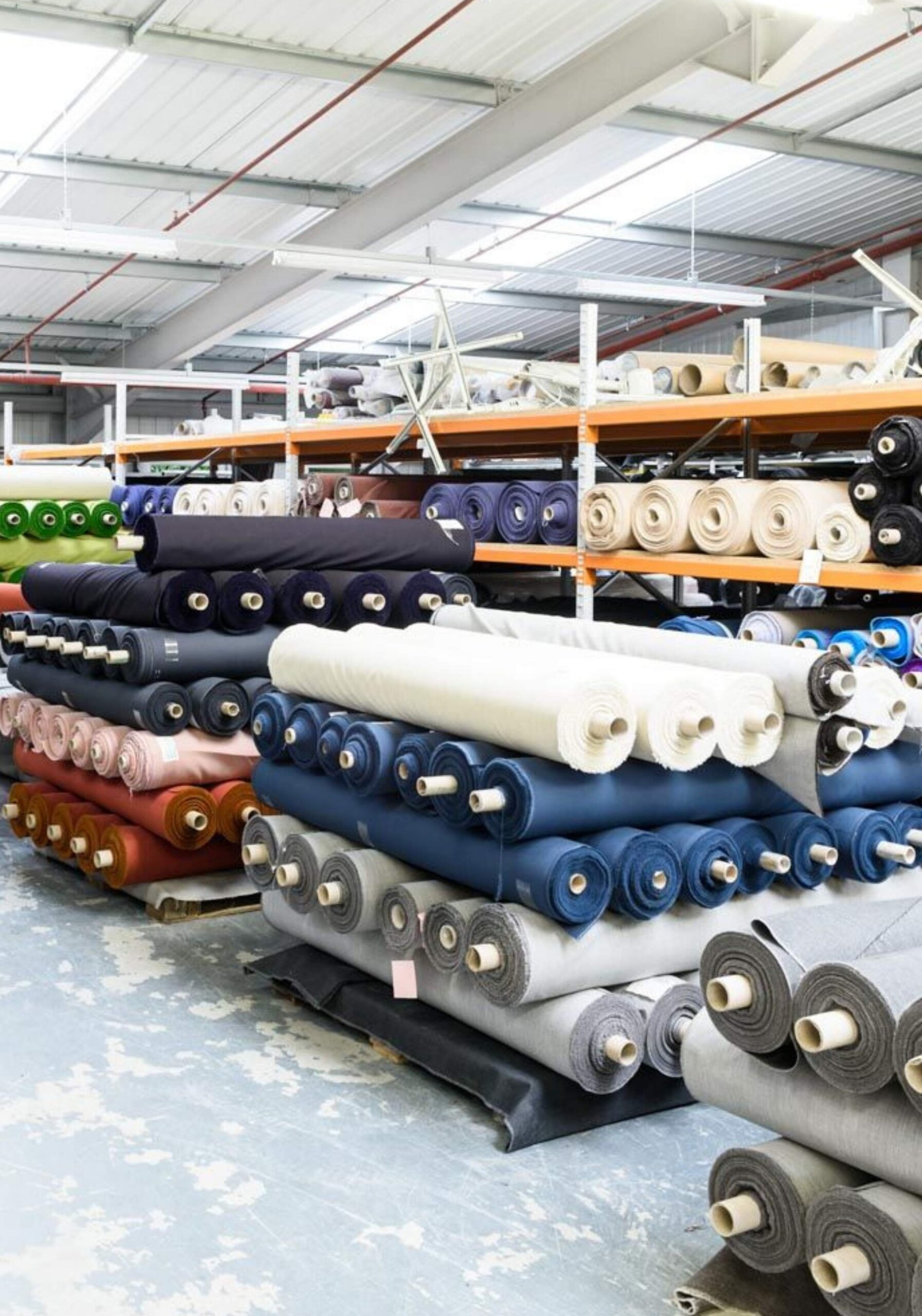
Quality begins with carefully selected raw fiber materials. We source base yarns from trusted suppliers and conduct strict incoming inspections to assess consistency, strength, and suitability for processing. Only materials that meets our defined quality parameters proceeds to the next stage of production.
Spinning
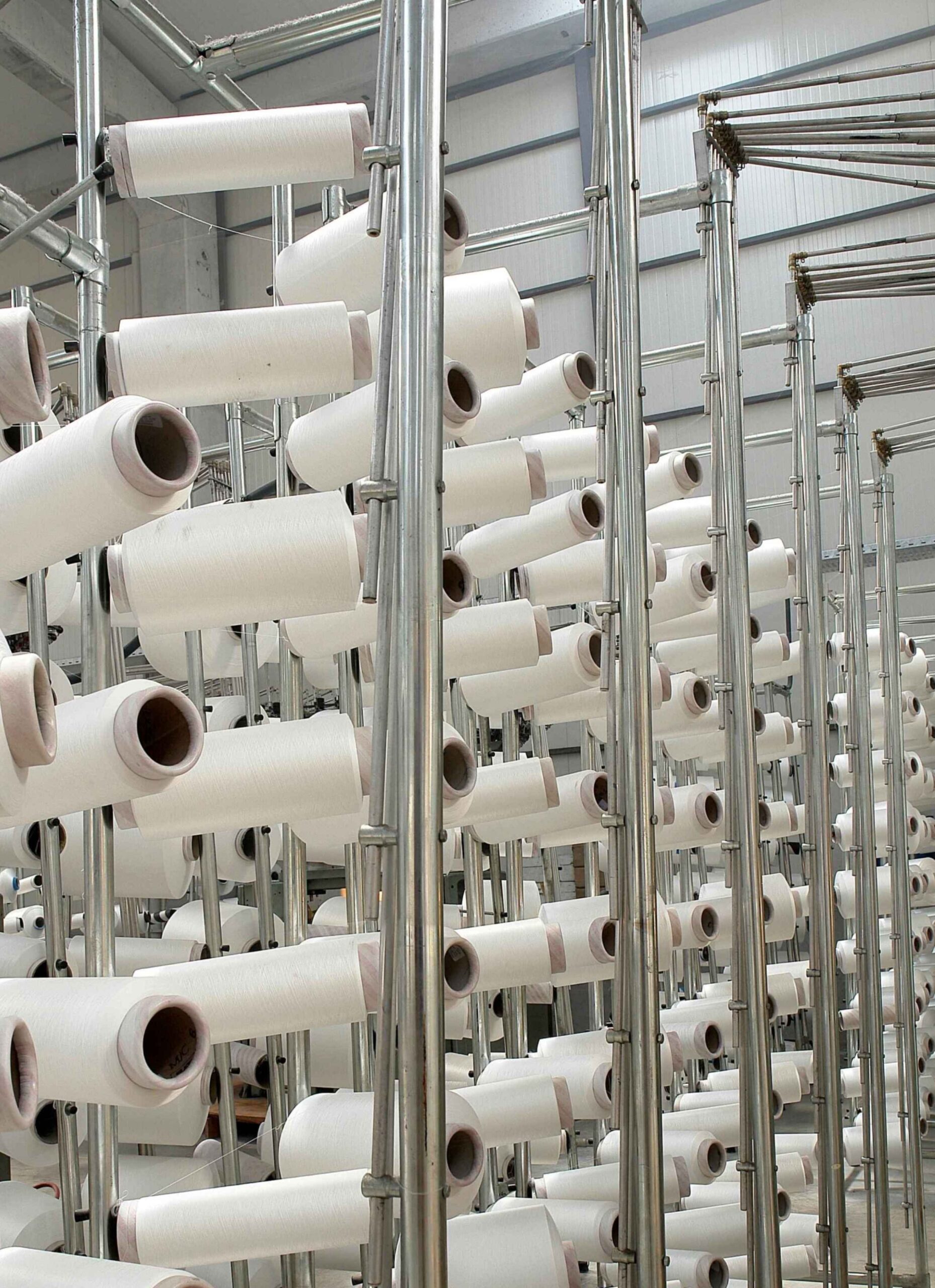
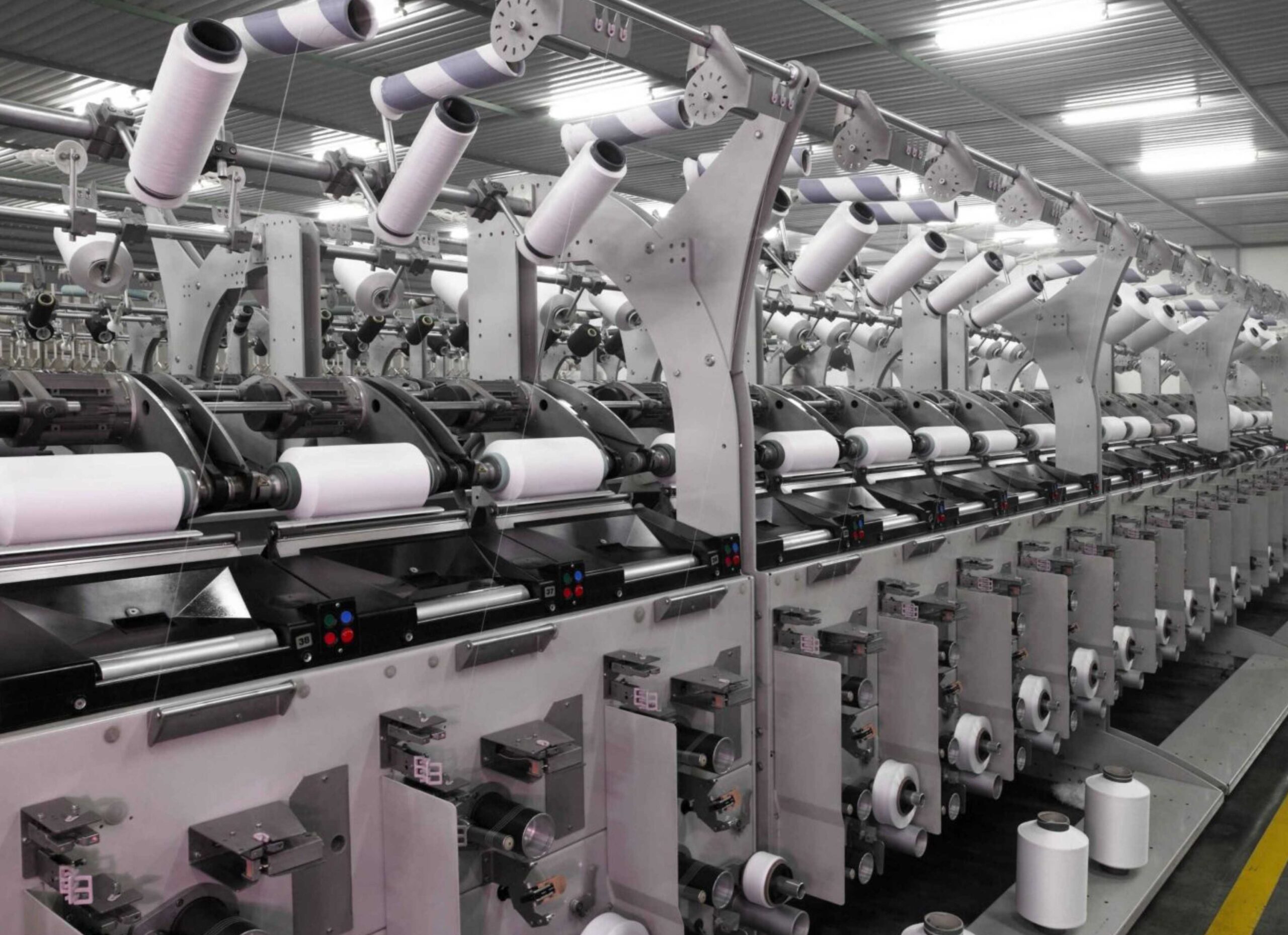
During spinning, fibres are converted into yarns with controlled tension and uniform structure. Proper yarn formation ensures strength, smoothness, and consistency critical factors that influence fabric appearance and durability.
Weaving
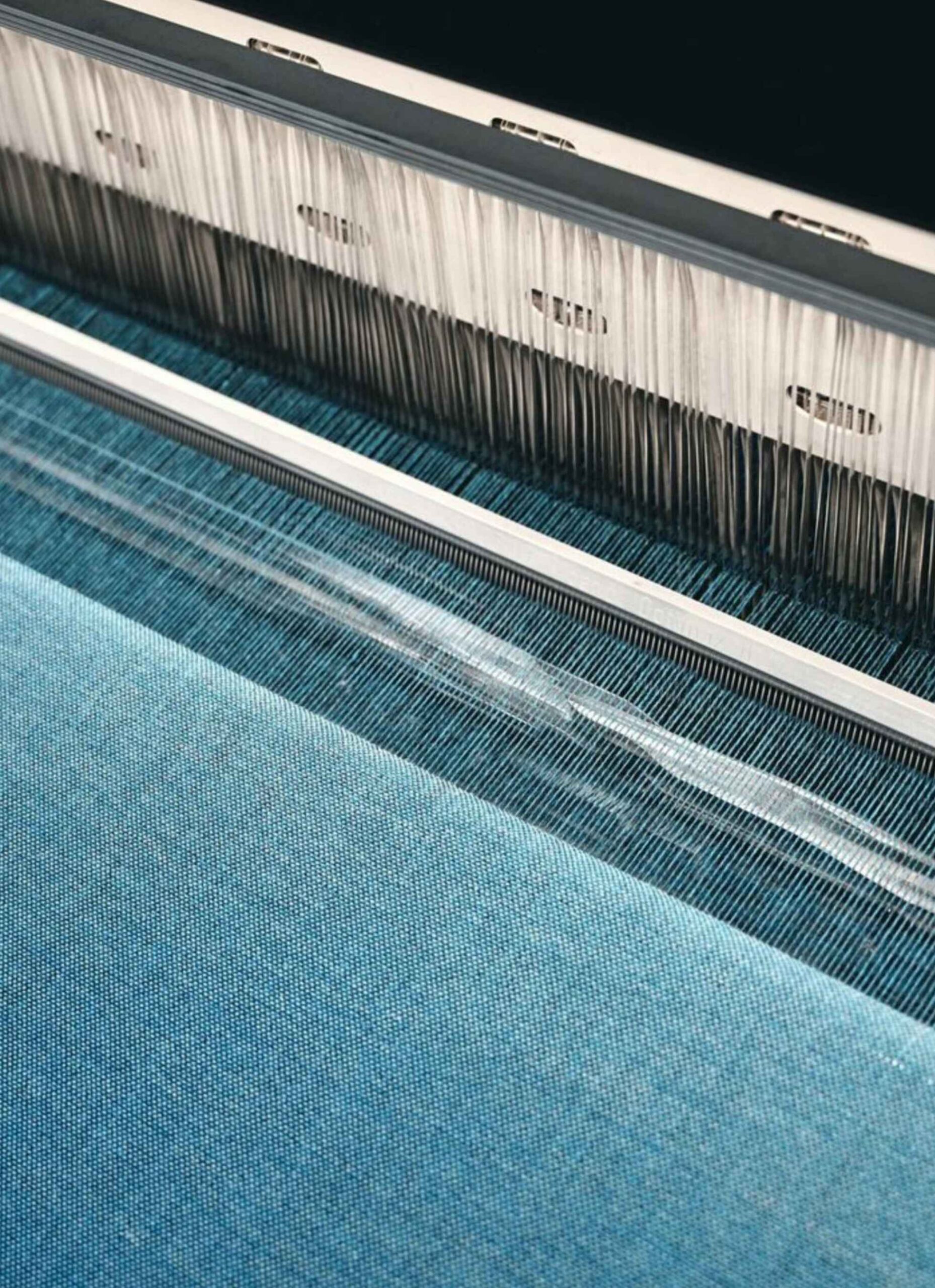
Weaving transforms yarn into structured fabric through precise warp and weft interlacing. Controlled loom settings ensure accurate construction, density, and dimensional stability, forming the base for high-quality finished fabric.
A 140’s/1 count (with /1 indicating single-ply thread) corresponds to a super fine, durable fabric. A 120’s/2 count (with /2 indicating two-ply thread) indicates a fine, high-quality fabric.
A higher count means a fine, light, silky, and soft thread, a guarantee of high quality.
At Centuary, our fabrics have a count ranging from 20’s to 140’s, ensuring exceptional quality.
Dyeing
Our dyeing process is carried out using advanced machinery and controlled parameters to ensure uniform colour penetration and consistency across batches. In the case of white shirting, special attention is given to brightness levels, tone balance, and shade uniformity.
Finishing
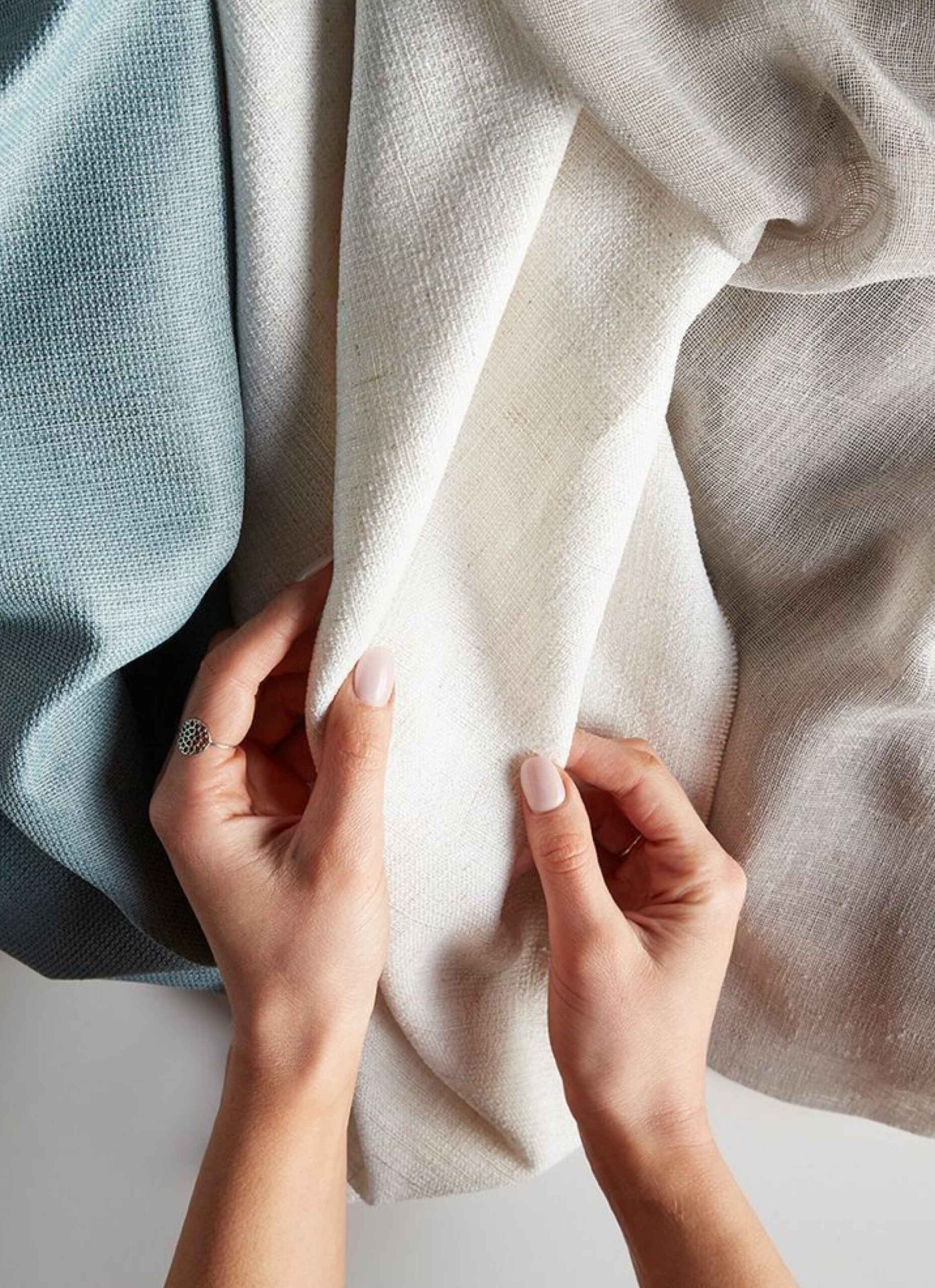
Finishing enhances the fabric’s final characteristics. Through mechanical and chemical processes, we refine texture, softness, dimensional stability, and performance properties. Special finishes are applied as required to meet client specifications.
Finishing
Finishing enhances the fabric’s final characteristics. Through mechanical and chemical processes, we refine texture, softness, dimensional stability, and performance properties. Special finishes are applied as required to meet client specifications.
Fabric Inspection
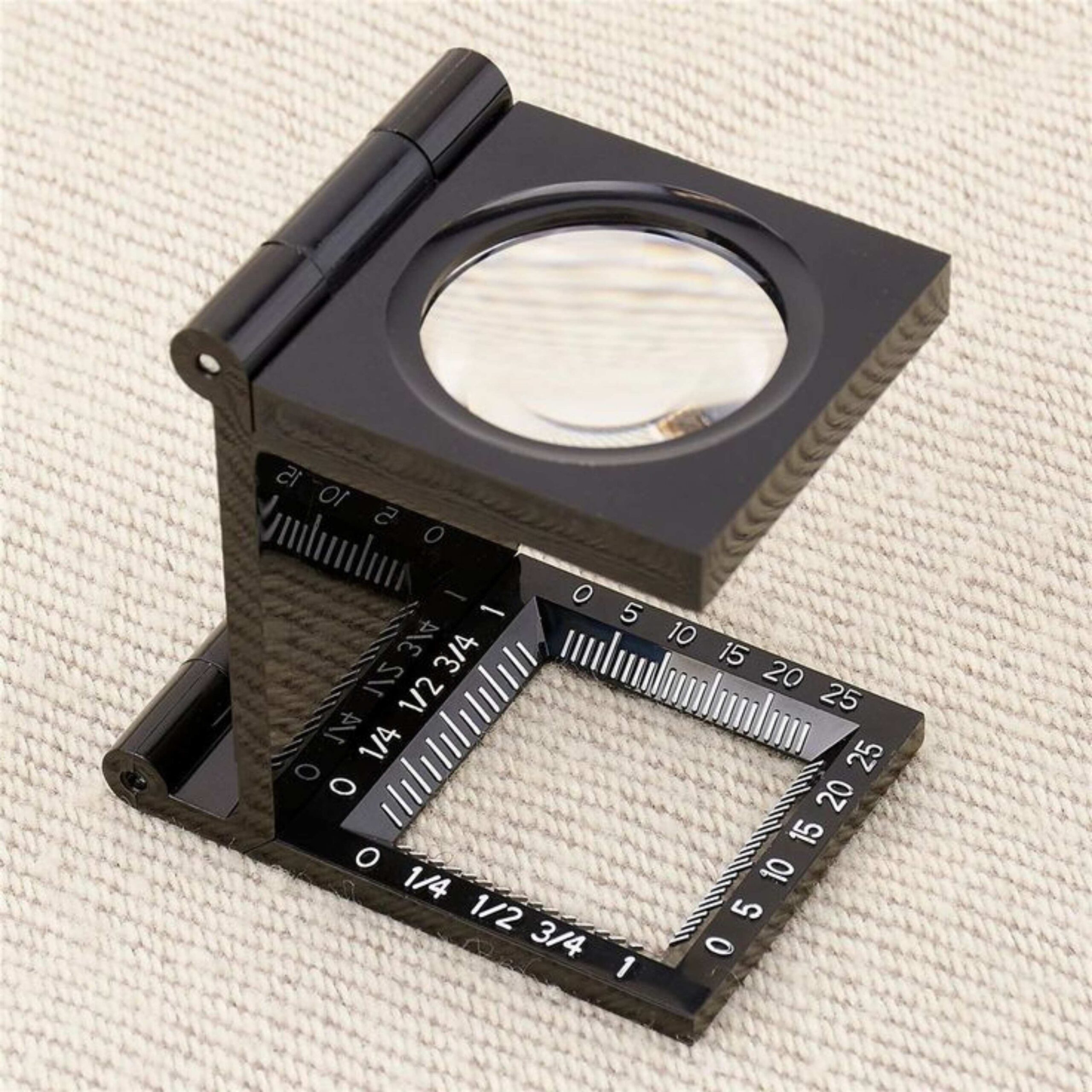
Every batch undergoes rigorous inspection to detect defects, verify specifications, and ensure compliance with internal quality standards. This stage ensures uniformity in width, weight, finish, and appearance before dispatch.
Fabric Inspection
Every batch undergoes rigorous inspection to detect defects, verify specifications, and ensure compliance with internal quality standards. This stage ensures uniformity in width, weight, finish, and appearance before dispatch.
Packaging
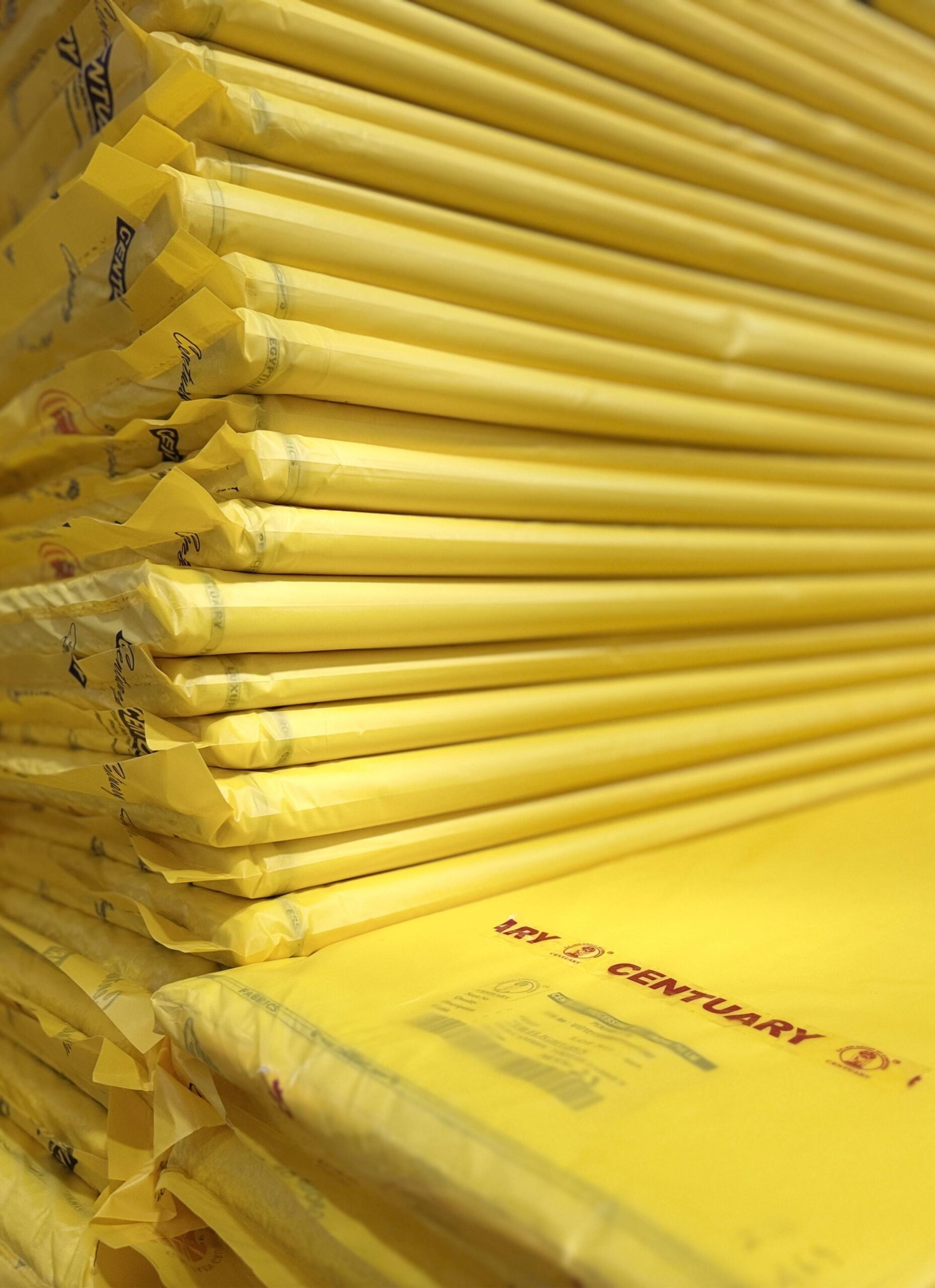
Fabrics are carefully packed to maintain cleanliness and prevent damage during handling and transport. Packaging methods are aligned with customer requirements and industry best practices.
To support efficient retailers and garment production, we offer standardized cut lengths of 21 meters and 30 meters, carefully structured to maximize fabric utilization. Each cut length enables the stitching of 15+ shirts comfortably, depending on garment patterns, sizing and width of the fabrics.
By supplying pre-measured lengths, we help them to streamline cutting operations, reduce excess handling, and improve fabric yield. Compared to conventional bulk roll cutting, optimized cut lengths can help reduce material wastage by an estimated 3–5% per production cycle, depending on layout planning and marker efficiency.
To support efficient retailers and garment production, we offer standardized cut lengths of 21 meters and 30 meters, carefully structured to maximize fabric utilization. Each cut length enables the stitching of 15+ shirts comfortably, depending on garment patterns, sizing and width of the fabrics.
By supplying pre-measured lengths, we help them to streamline cutting operations, reduce excess handling, and improve fabric yield. Compared to conventional bulk roll cutting, optimized cut lengths can help reduce material wastage by an estimated 3–5% per production cycle, depending on layout planning and marker efficiency.